
Research fields
The CHSC’s body of researchers – under both exclusive and non-exclusive dedication regimes – is organised into research fields according to the focus of activities. At present, the CHSC has four research fields:
- Empires, colonialism and post-colonialism
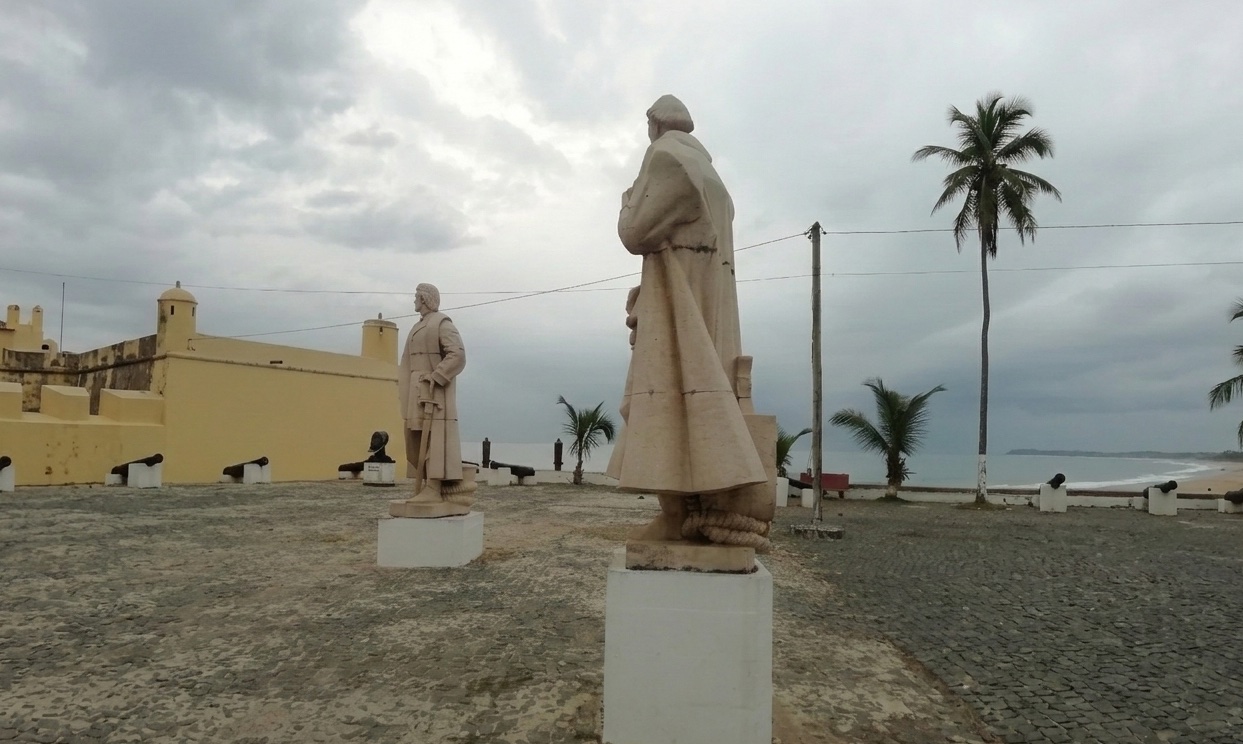
Estátuas de navegadores portugueses e do Rei Amador, Forte de São Sebastião, São Tomé, foto de 2026, coleção privada Empires, colonialism and post-colonialism promotes scientific dialogue on the historical trajectories of empires, in different chronological periods and geographical areas. Promoting comparative approaches and adopting methodologies derived from transnational and global history, the distinct ‘Portuguese empires’ in the Americas, Asia, Africa and Oceania are the central focus of this field of research.
Attention is paid to imperial and colonial dynamics, i.e., both on the policies, representations, and institutions that governed and legitimised the imperial structure, particularly in its relationship with other formations (imperial or otherwise), and on policies directed at specific territories and populations, which aimed to stimulate colonisation and organise the social, political, cultural, religious, and economic life of local populations and colonisers. Approaches connecting these different dimensions as well as the articulation of analytical scales are promoted. Among the set of historiographical objects addressed in this field of research are religious and missionary dynamics in empires, the history of colonial “politics of difference”, the history of labour and the economy, and the question of property and land in imperial contexts.
Given the important consequences of colonial experiences, this research field will promote the historical understanding of the societies that emerged from the different processes of imperial disintegration, including the dynamics that marked post-imperial societies, as well as those that shaped the newly independent countries. In this context, the processes of imperial expansion and contraction originating in Europe and their impact on formerly colonised territories, including the independent nations in America, Asia and Africa that were part of the Portuguese empire, are a fundamental stream of research.
Coordination: José Pedro Monteiro | ze.pedro.monteiro@gmail.com
- Heritage, Cultures and Identities
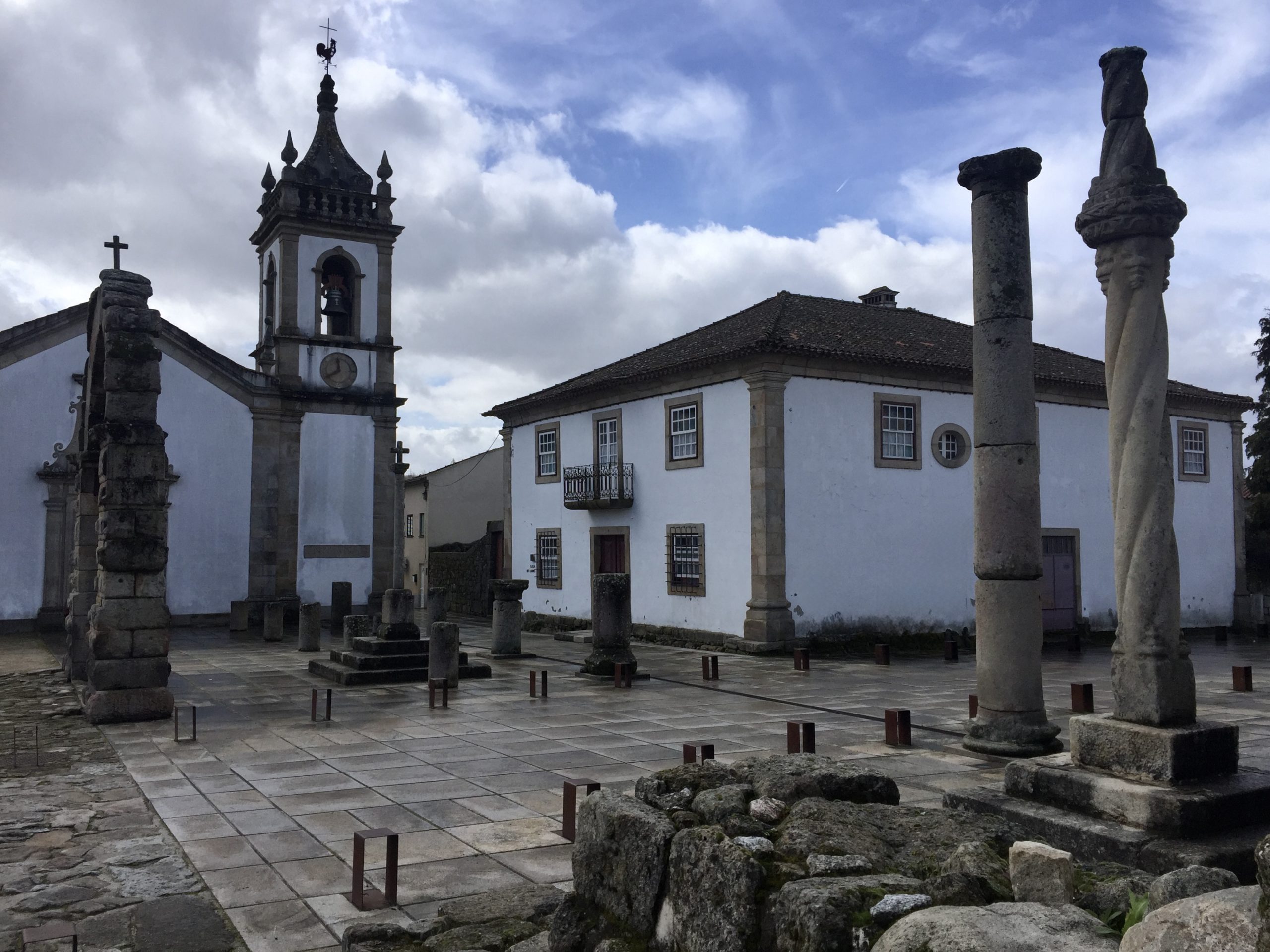
Centro histórico de Bobadela, Oliveira do Hospital. Fotografia de Luísa Trindade The field of Heritage, Cultures and Identities brings together a set of research themes and problems central to the CHSC, which possesses substantial expertise in this area, not only in cultural history, in the various conceptual formulations and perspectives that this topic has come to encompass, but specifically in heritage and arts as interconnected domains.
By assuming heritage, cultures and identities as inseparable concepts that structure key sectors of contemporary society — from the economic sphere, where large‑scale tourism presents a clear example, to the still insufficiently recognised domain of social welfare — this field seeks to foster dialogue between diverse theoretical and methodological approaches. Its scope spans multiple chronological periods and scales of analysis, from local to global frameworks, thereby contributing to major current debates, from the widely institutionalised discourses of UNESCO to the more challenging perspectives articulated within Critical Heritage Studies.
It involves identifying, interpreting and understanding heritage, historical and artistic assets and values, in order to comprehend how human beings perceive and act upon the world around them — an area in which Art History possesses the appropriate scientific tools. Conversely, it aims to reflect on an entire international system conceived around cultural heritage. Emphasis is placed on issues of ownership, guardianship, acceptance, rejection, promotion, destruction, sharing and public enjoyment, as well as the profound social effects generated by these dynamics. Recognising the intrinsic fluidity of heritage — its continual processes of construction, negotiation and re-signification, often involving the dispute of previously established values and, thus, contributing to societal fragmentation — positions these debates as central to political and societal agendas. Such reflections hold the potential to address social imbalances, asymmetries and ongoing phenomena of misunderstanding and exclusion.
Contributing to the identification of these challenges and proposing responses that can be shared with wider society is also an essential component of the CHSC’s mission.
Coordination: Luísa Trindade | luisa.trindade@fl.uc.pt
- History as Craft, Documents, and Digital Humanities
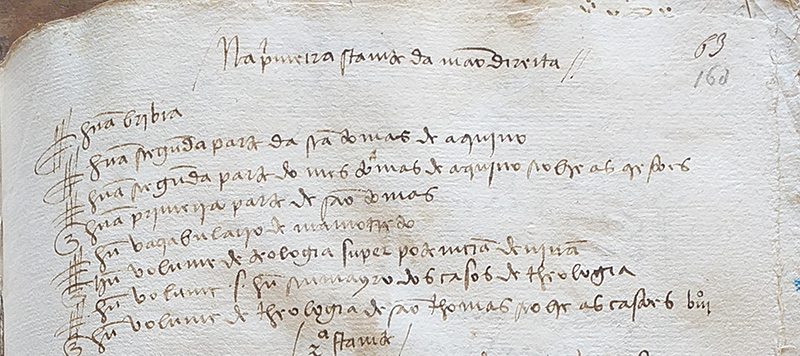
Arquivo da Universidade de Coimbra – IV- 1.ª D - 1 – 1 – 2 History as Craft, Documents, and Digital Humanities constitutes a cross-cutting field of research that reflects on the nature of historiographical practice, its methodologies, the major theoretical debates related to the discipline, and the challenges that History faces in the present and the future. By analysing continuities and ruptures, permanences and resistances, as well as drives for change, History provides indispensable knowledge for understanding humankind in its temporal and spatial experience and for interpreting societies as the outcome of complex processes. It thus contributes to critical thinking and to the consolidation of more informed, reflective, and responsible societies in relation to their historical trajectories.
History works with written, material, iconographic, and oral documents from the past, which require from the historian a focused and incisive research effort, as well as rigorous analysis, contextualisation, and interpretation. The strict internal and external criticism of written records demands both theoretical and practical knowledge of the documentary sciences, enabling the critical edition of texts, an area of expertise that constitutes one of the defining scholarly identities of this research unit.
In contemporary scholarship, the Digital Humanities challenge historical practice by placing it in dialogue with new technologies, methodologies, and digital languages, which broaden modes of access to documents, reshape practices of enquiry and critique, and reconfigure the interpretation of the past. Data analysis tools, relational databases, geographic information systems, digital visualisation and editing of documents, augmented reality, and 3D reconstructions expand the epistemological horizons of History and transform the ways in which historical knowledge is communicated to the wider community. More recently, the challenges posed by artificial intelligence have come to the fore, calling into question fundamental issues in the production of historical knowledge, particularly with regard to criteria of truth, the nature of sources, and authorship.
Coordination: Maria Helena da Cruz Coelho | coelhomh@gmail.com
- Societies, Powers, Inequalities
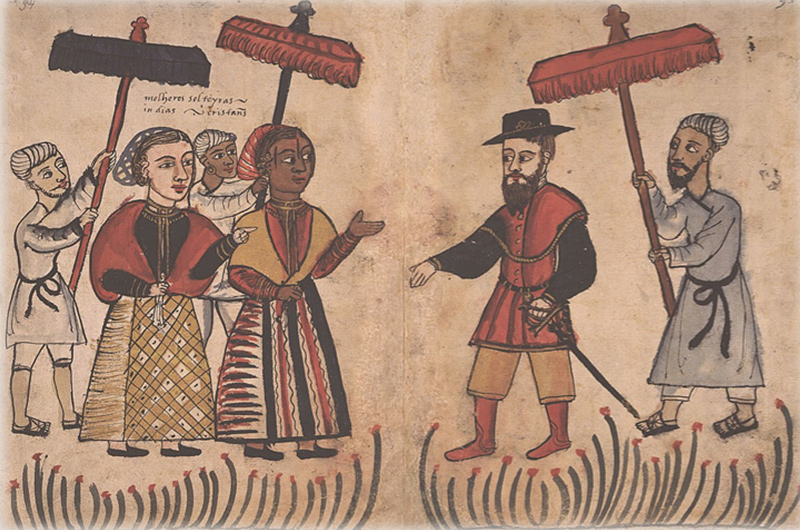
Biblioteca Casanatense, Ms.1889 c.94 The research field Societies, Powers, Inequalities focuses on the historical analysis of multiple forms of social organisation, power relations and mechanisms of production, reproduction and contestation of inequalities over time, from the medieval period to the contemporary era. Taking a critical perspective and combining different modalities of historiographical knowledge and traditions, this field seeks to understand how social hierarchies – economic, political, religious, legal, cultural, ethnic-racial and gender – were constituted in specific historical contexts and how they were legitimised, negotiated or challenged.
Research in this field focuses on the articulation between local, national, imperial and global scales, exploring the dynamics of domination, resistance and mediation practised by various instances and forms of social organisation, in different spaces and historical periods. It pays particular attention to the forms of power exercised – institutional, informal, symbolic and material – as well as to the individual and collective actors involved, including subalternised and marginalised groups, which are often absent from conventional historical narratives.
This field encompasses studies on the state and governance, religion, labour and economic and social inequalities, justice and repression, political participation and social movements, rights and forms of social exclusion, as well as knowledge, ideology and political culture. It also welcomes approaches that focus more closely on certain institutions that have played a significant role in shaping social systems and reinforcing inequalities of various kinds, such as the University, the Inquisition, the Misericórdias (charitable institutions), or the state apparatus, to give just a few examples.
By combining empirical rigour, methodological innovation and dialogue with other social and human sciences, Societies, Powers, Inequalities asserts itself as a space for critical, plural and socially relevant research, contributing to a deeper historical understanding of the past and contemporary challenges.
Coordination: Miguel Bandeira Jerónimo | mbjeronimo@gmail.com