
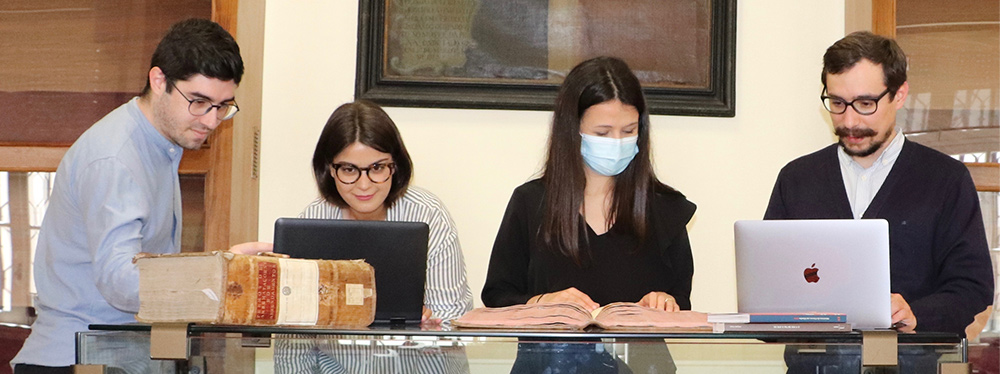
Reimagining the historian’s craft
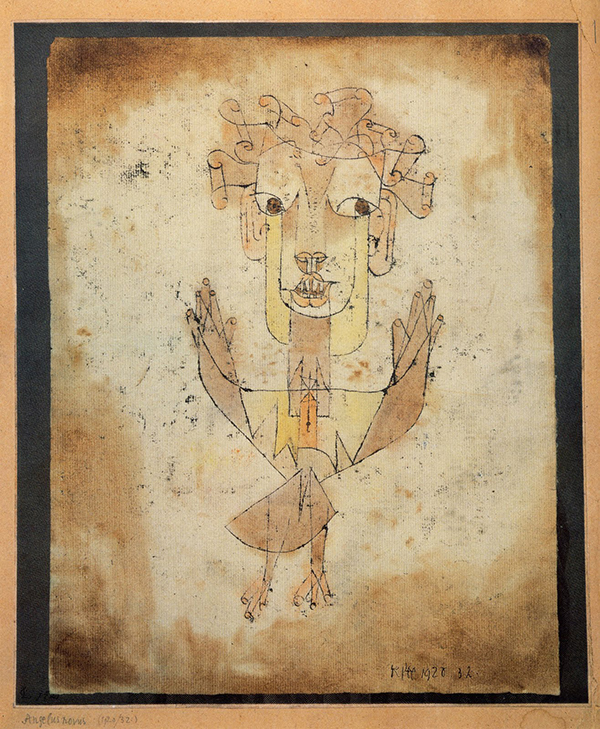
This research group examines the problems posed by the usage of historical sources, analyses comparatively dominant historiographical paradigms in interpreting both short and long time lapses (from the Middle Ages to the Contemporary Age), and investigates the role of leading historians and the “Schools” to which they belonged. Hence, the group’s activity encompasses several realms of knowledge, from the history of historiography to the more recently described topic of “historical culture”. This requires specific reflection on objects pertaining to the theory of history and historiographical knowledge. Research comprises the following: analysing the impact on historiographical knowledge of epistemological debates during the nineteenth and twentieth centuries; correlating historiography and other outputs (literary, iconographic, monumental, etc.); researching critical moments in the shaping of political memory and the politics of memory; extracting from primary sources (comprising historical texts and built monuments) voids and the suppression of information in search of forgotten data, to develop a history of forgetfulness.
Coordination: Fernando Catroga | fcatroga@hotmail.com